







What are Spider Veins?
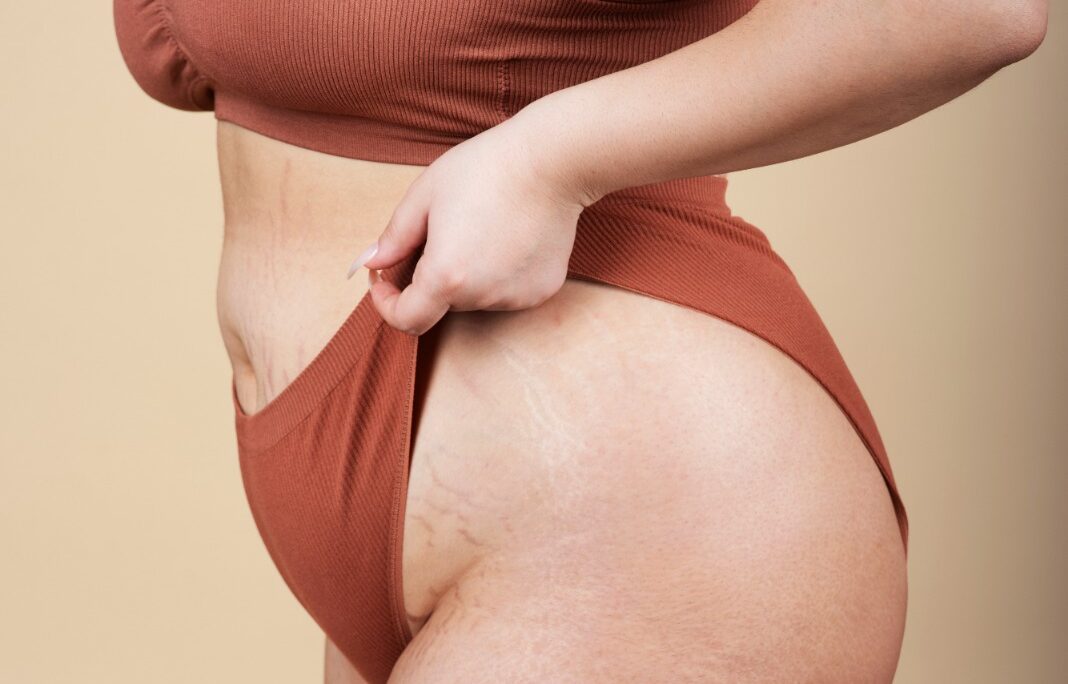
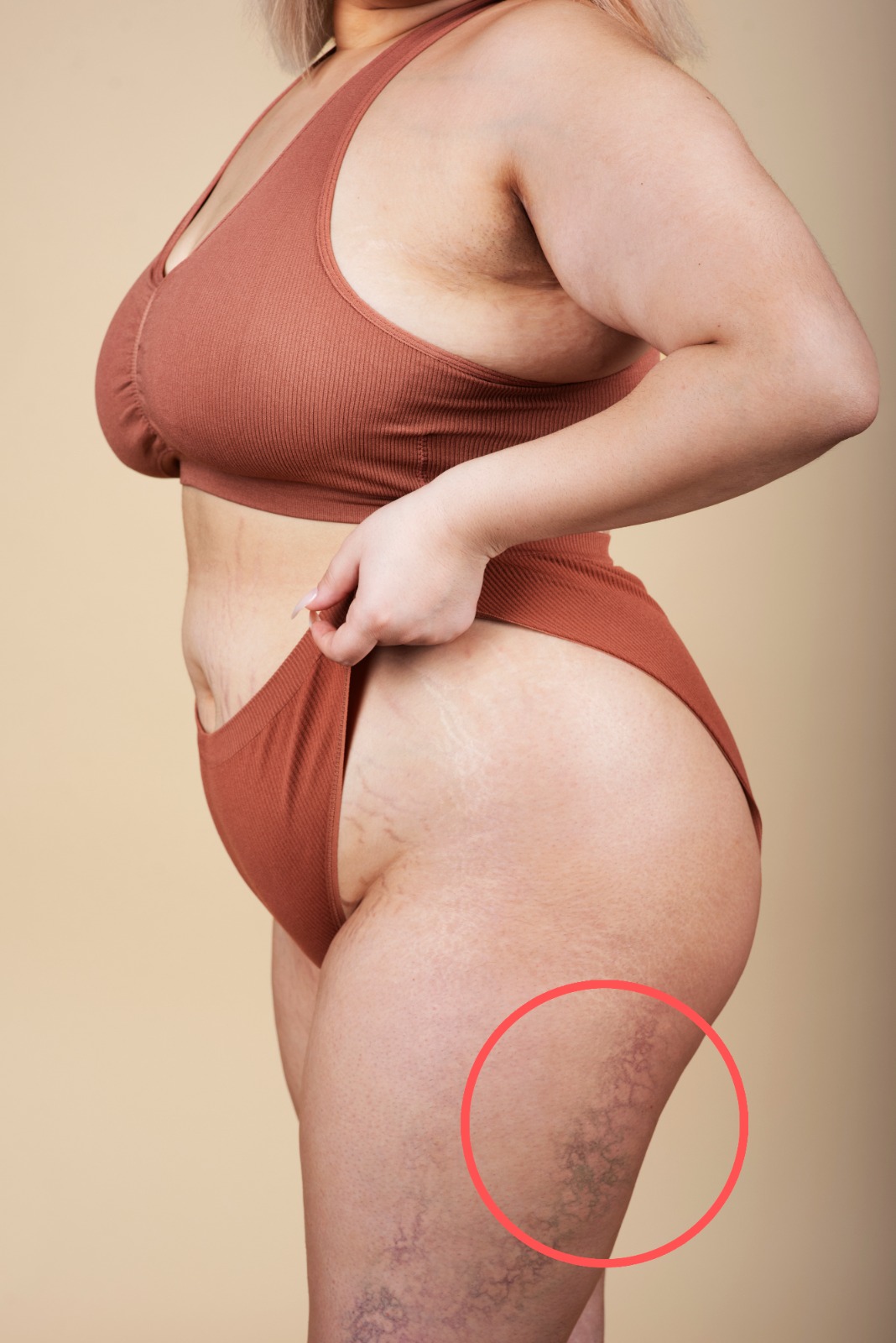
Spider veins, a.k.a telangiectasias, are small, dilated blood vessels that appear near the surface of the skin. They are typically red, blue, or purple in color and have a web-like or branched appearance, hence the name “spider” veins. Spider veins are most commonly found on the legs and face.
They are similar to varicose veins but are smaller in size and less raised above the skin’s surface. Spider veins are generally considered to be a cosmetic issue rather than a serious health concern. However, for some, they can cause discomfort or itching.
The Difference Between Spider Veins and Varicose Veins?
Spider veins are not true veins but rather are damaged capillaries, venules, and arterioles, which are smaller types of blood vessels. These tiny vessels connect to the larger ones within your circulatory system. The label “spider veins” is commonly used because it’s straightforward and memorable.
In contrast, varicose veins are actual veins that have become damaged. Veins, which are larger blood vessels, are responsible for returning deoxygenated blood to the heart. Varicose veins are generally more prominent than spider veins and often protrude from the skin.
Typically, spider veins don’t lead to symptoms and are treated for aesthetic reasons. On the other hand, varicose veins can cause symptoms such as leg pain and discomfort, leading individuals to seek treatment for both cosmetic improvement and symptom relief.
It’s common for individuals with spider veins to also have varicose veins, as they often arise from similar causes and risk factors.
What causes spider veins?
The causes of spider veins can include;
- Genetic factors
- Aging
- Hormonal changes (such as those during pregnancy or menopause)
- Sun exposure
- Lifestyle factors such as prolonged standing or sitting
Regardable
What is the treatment of spider veins?

Treatments for spider veins can vary depending on their severity and the patient’s preferences. Common treatments include:
- Sclerotherapy: This is one of the most common treatments. A solution, usually a salt solution, is injected directly into the vein, causing the blood to reroute through healthier veins. Several treatments may be needed.
- Laser Treatments: Laser therapy uses a focused beam of light to heat and damage the affected veins, which causes scar tissue to form. This scar tissue closes the vein, and like sclerotherapy, the vein fades over time. This method is often used for smaller veins that cannot be addressed with sclerotherapy.
- Radiofrequency Ablation: This is a minimally invasive treatment where thermal (heat) energy is used to damage the vein, causing it to collapse and seal shut.
- Endovenous Laser Therapy (EVLT): Similar to radiofrequency ablation, EVLT uses laser energy to seal off affected veins.
- Surface Laser Treatments: These are non-invasive treatments that are applied to the surface of the skin.
- Lifestyle Changes: These can include regular exercise, elevating the legs, avoiding long periods of sitting or standing, and wearing compression stockings to improve blood flow.
It’s important to consult with a healthcare provider to determine the most appropriate treatment option. Each method has its advantages, potential side effects, and effectiveness rates, and the best choice will depend on the individual case.
Aiming for excellence in health tourism, Heedoza offers an unforgettable health experience to visitors from all over the world by keeping patient satisfaction at the highest level.
If you want to meet this experience, contact us.


 Google Übersetzer